Auto Engine Parts Sourcing in China: Quality & Efficiency
Industry news
2026-05-23
Sourcing auto engine parts from China demands a clear strategy that balances quality assurance with operational efficiency. The country’s manufacturing base offers real advantages for buyers seeking competitive pricing on automotive components, but realizing those advantages depends on understanding how the supply chain actually works. This piece walks through how global buyers can engage Chinese suppliers effectively and secure components that meet specification.
How China’s Auto Parts Supply Chain Actually Works
China’s automotive supply chain operates as a layered ecosystem where large OEMs, specialized component manufacturers, and aftermarket producers each occupy distinct roles. An OEM auto parts China supplier might focus exclusively on engine blocks, while another facility down the road machines only internal components to tight tolerances. The aftermarket auto parts sourcing segment runs parallel, offering replacement parts at price points that often undercut OEM channels.
Coordinating across these tiers requires understanding what each supplier actually does well. A factory optimized for high-volume casting will struggle with small-batch precision work, and vice versa. Buyers who map supplier capabilities to their specific component requirements before engaging in negotiations consistently achieve better outcomes than those who treat the market as undifferentiated.
What Makes Supplier Vetting in China Different
Supplier verification China follows a different rhythm than domestic vetting. Distance makes it harder to verify production capabilities, and communication gaps can derail negotiations that seemed straightforward on paper. Factory audits China remain the most reliable way to assess what a supplier can actually deliver versus what their sales materials claim.
A structured evaluation process helps cut through the noise. Certifications like IATF 16949 or ISO 9001 signal baseline quality management capability, but they do not guarantee execution. Production capacity matters only if the supplier can maintain quality at your required volumes. Lead times and MOQ requirements directly affect inventory planning, so these numbers need verification early in discussions.
Criteria
What to Assess
Weight
Certifications
IATF 16949, ISO 9001, industry-specific standards
High
Production Capacity
Volume capability without quality degradation
High
Quality Control
In-house testing protocols, defect rates, corrective action history
High
Communication
Response time, English proficiency, willingness to share information
Medium
Financial Stability
Payment term adherence, longevity in business
Medium
Lead Times
Delivery consistency, schedule adherence track record
High
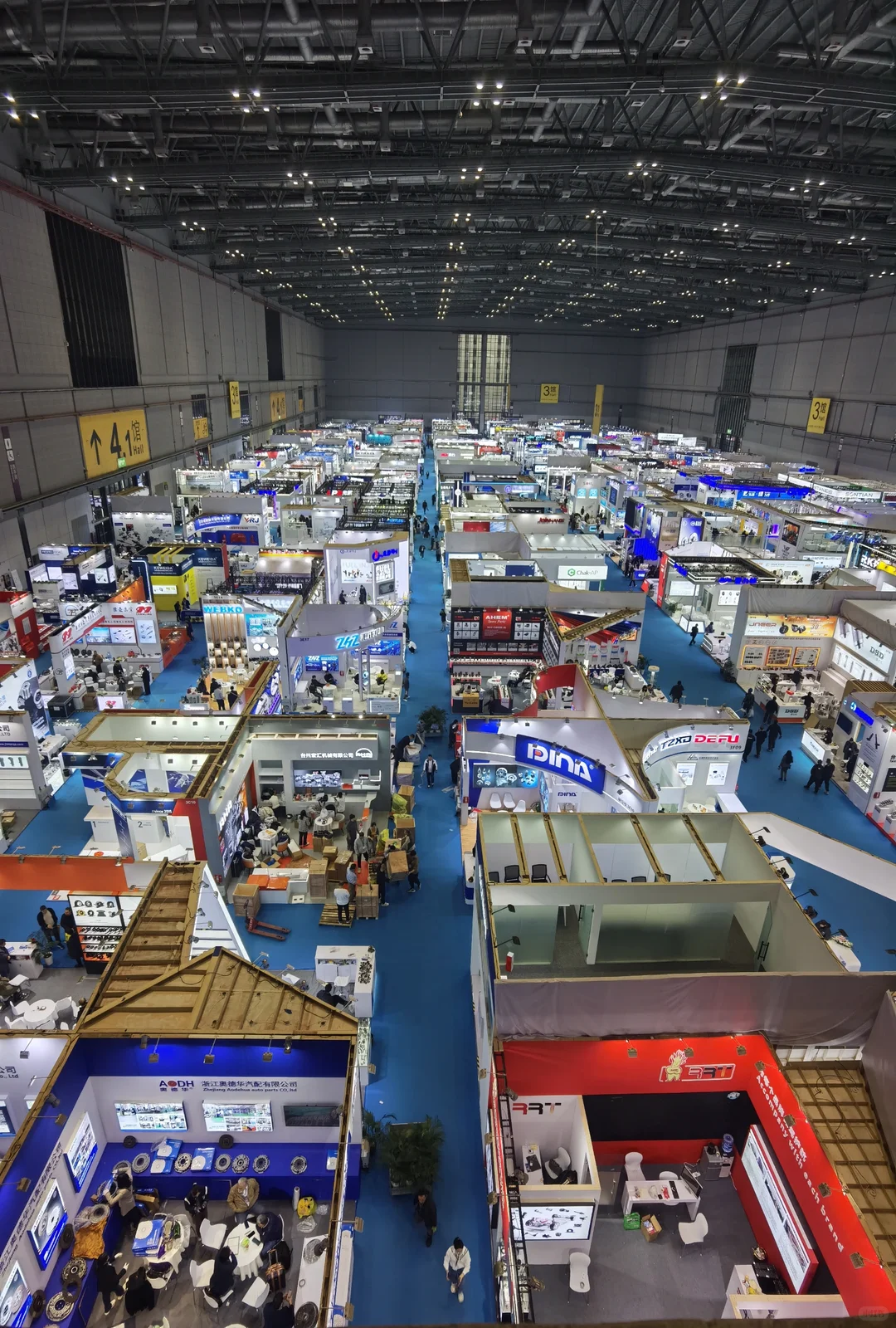
Negotiation strategies China suppliers respond to differ from Western norms. Relationship building carries more weight than in transactional Western purchasing cultures. Suppliers who feel respected and see potential for long-term business often offer better terms than those who sense a one-time transaction. Trade shows like the CHN Auto Show provide opportunities to meet potential partners directly and evaluate their operations before committing to formal discussions.
Where Quality Control Actually Breaks Down
Quality assurance automotive components fails most often at handoff points: when raw materials enter production, when work moves between stations, and when finished goods await shipment. Robust testing at each stage catches problems before they compound.
Automotive component quality standards like IATF 16949 provide frameworks, but implementation varies widely. A supplier with the certificate on the wall may still ship inconsistent product if their floor-level processes do not match their documented procedures. Material traceability automotive becomes critical when problems surface; suppliers who can trace every component back to its raw material source resolve issues faster and demonstrate the kind of process control that prevents recurring defects.
Counterfeit auto parts prevention starts with understanding where counterfeits enter supply chains. Unauthorized distributors, gray market channels, and suppliers who subcontract without disclosure all create risk. Intellectual property protection China requires registering trademarks and patents locally, not just in your home jurisdiction. Chinese courts enforce locally registered IP more consistently than foreign registrations.
How Logistics and Customs Costs Add Up
The unit price on a quote sheet represents only part of what a component actually costs. Logistics for auto parts import, customs duties, insurance, and quality control inspections all contribute to total landed cost. Buyers who focus exclusively on unit price often discover that the cheapest supplier becomes expensive once all costs are accounted for.
Customs regulations China export compliance requires proper documentation and correct goods classification. Misclassification triggers delays, penalties, and sometimes seizure. Working with experienced freight forwarders who specialize in automotive components reduces these risks.
Payment terms international trade with Chinese suppliers typically involve a 30% deposit with the balance due before or upon shipment. Established relationships sometimes allow more flexible arrangements, but new buyers should expect standard terms until trust develops. Letters of credit provide protection for both parties on larger orders.
Warehousing and distribution auto parts decisions affect both cost and responsiveness. Holding inventory in China reduces per-shipment costs but extends response time. Warehousing near destination markets increases carrying costs but enables faster fulfillment. The right balance depends on your specific demand patterns and customer expectations.
Where the Market Is Heading
Electric vehicle components sourcing represents the most significant shift in automotive industry trends China. Suppliers who built their businesses around internal combustion engine parts are investing in EV battery components, motors, and charging infrastructure. At last year’s CHN Auto Show, exhibitors showcasing EV-related components reported roughly 30% more buyer inquiries than those focused on traditional engine parts.
Supply chain resilience has moved from theoretical concern to operational priority. Buyers who relied on single suppliers or single regions discovered vulnerability during recent disruptions. Diversifying supplier bases across multiple facilities and regions, implementing risk monitoring systems, and maintaining buffer inventory all contribute to resilience, though each adds cost.
Sustainable sourcing practices increasingly factor into supplier selection as buyers face pressure from their own customers and regulators to document environmental impact throughout their supply chains.
Connect with Verified Auto Parts Manufacturers
Finding reliable suppliers in China’s fragmented auto parts market takes time and resources that many buyers cannot spare. APES Auto Parts Expo Shanghai connects global buyers with verified Chinese manufacturers through its combined online and exhibition platform, providing direct access to suppliers whose capabilities have been assessed.
To discuss specific sourcing requirements, contact us at apeschina@huamogroup.com or +021-60280788.
Frequently Asked Questions
How do I verify that auto parts from China are genuine and not counterfeit?
Verification requires multiple layers: factory audits confirm production actually happens where suppliers claim, material traceability documentation shows component origins, and third-party testing validates specifications. Suppliers who resist providing this documentation or who cannot produce it quickly are signaling risk. Request certifications, but also request the underlying test data and process records that support those certifications.
What payment arrangements work best with Chinese auto parts suppliers?
Most Chinese suppliers expect 30% upfront with the balance due before shipment or upon delivery confirmation. Letters of credit provide protection on larger orders. As relationships develop over multiple successful orders, some suppliers offer more flexible terms, but new buyers should budget for standard deposit requirements. Clear payment milestones tied to inspection checkpoints reduce risk for both parties.
Should I worry about intellectual property when sourcing auto parts from China?
IP protection requires proactive measures rather than reactive responses. Register trademarks and patents in China specifically, since Chinese courts enforce locally registered IP more reliably than foreign registrations. Contracts should include explicit IP provisions with meaningful penalties. Limit the technical information you share to what suppliers actually need for production, and consider splitting production across multiple suppliers so no single partner has complete product knowledge.
How much longer are lead times from China compared to domestic sourcing?
Lead times from China typically run 8 to 16 weeks depending on component complexity, order volume, and shipping method. This compares to 2 to 6 weeks for domestic sourcing in most Western markets. Sea freight adds 3 to 5 weeks versus air, but at significantly lower cost per unit. Build these timelines into production planning and maintain buffer inventory for critical components. If your project timeline cannot accommodate these lead times, discuss expedited options early in supplier conversations.
If you’re interested, check out these related articles: