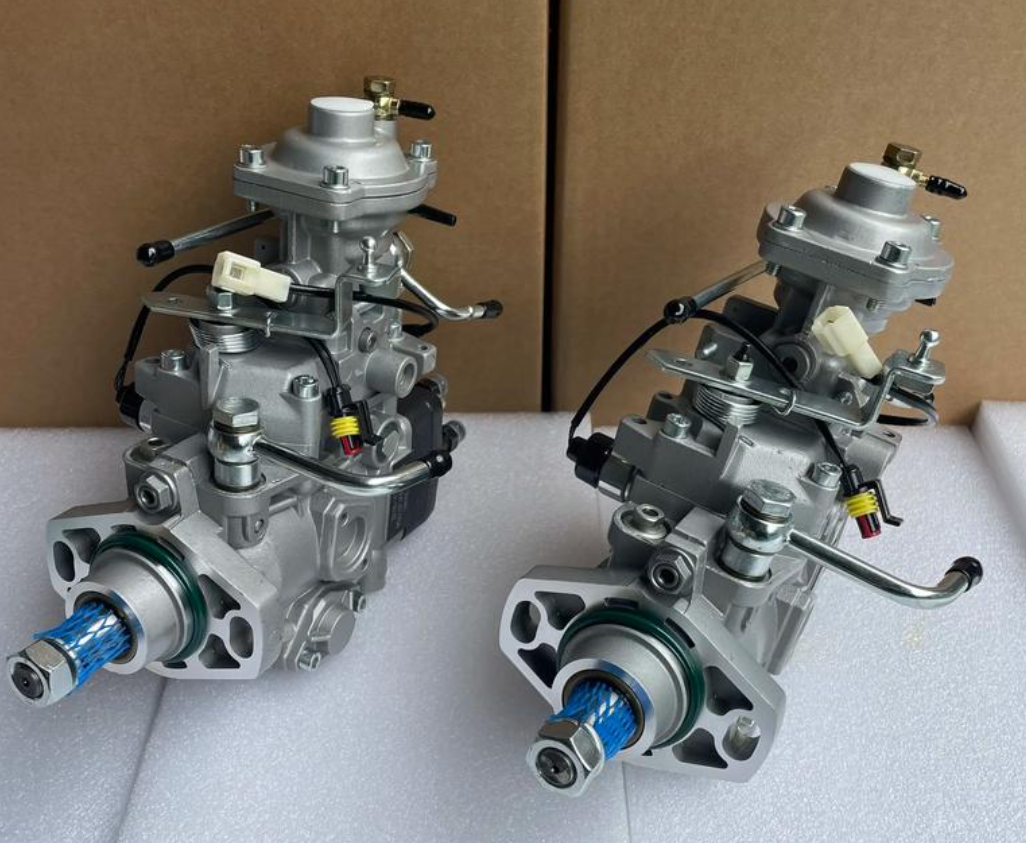
Fuel Pump Manufacturer China Trade Show Guide for Buyers
Industry news
2026-06-03
Sourcing the right fuel pump manufacturer can eat months of your procurement timeline if you rely on online directories alone. A China trade show condenses that search into three days of face-to-face comparison, letting you inspect finished components, question the engineers who designed them, and verify certifications before you ever place a purchase order. After organizing automotive exhibitions in Shanghai for over a decade, I have seen the difference between a buyer who walks the floor with a checklist and one who picks up brochures at random. The checklist wins every time.
The Advantage of In-Person Fuel Pump Sourcing Over Online Catalogs
Digital platforms give you reach. A trade show gives you resolution. When you hold a fuel pump assembly in your hands at a booth, you can feel the machining quality of the fuel pump bracket, check the flatness of the mounting flange, and watch the pump cycle on a test rig. None of this comes through a PDF spec sheet. The manufacturer’s technical team is standing right there, so you can ask about their pressure regulation curves, their environmental sealing test protocols, and the common failure modes they have already addressed in design revisions. This immediate feedback loop compresses months of email-based due diligence into a single conversation.
Pre-Show Preparation Steps for Fuel Pump Buyers
Before you board the flight, build a shortlist of target fuel pump manufacturers exhibiting at the show. Use the exhibition’s online exhibitor directory to filter by product category: mechanical fuel pumps, electric in-tank pumps, high-pressure direct injection pumps, and diesel transfer pumps are often listed separately. Tag every supplier that claims IATF 16949 certification and check the validity date on the IATF database if access allows. Next, prioritize suppliers located in automotive manufacturing clusters, because a factory surrounded by specialized heat-treatment or precision machining subcontractors tends to have tighter process control than an isolated plant. The Yangtze River Delta region, for instance, hosts a dense ecosystem of fuel system component makers who routinely supply OEM and Tier-1 programs.
Now write down exactly three to five performance parameters that matter for your application: flow rate at a specific system voltage, maximum continuous operating pressure, acceptable current draw at peak load, and the expected service life in hours under your duty cycle. Bring instrumented test data or a reference pump if you have one. Exhibitors who can discuss these parameters at the specification level are the ones you spend your time with.
Evaluating Fuel Pump Manufacturer Booths at a Trade Show
A booth tells you more than a company profile. Walk past the graphics and look at the components on display. Are the fuel pump housings consistent in surface finish across multiple samples? Do they show cutaway models of internal assemblies? A manufacturer willing to reveal the commutator, brush card, and armature winding arrangement is usually confident in its manufacturing tolerances. If you see a pump on a live test loop flowing fuel at rated pressure, ask to see the pressure gauge reading while the pump runs. Engage the booth engineer on failure scenarios: what happens when the pump runs dry? How does the bypass valve behave if the fuel filter clogs? Their answers reveal whether they validate beyond the catalog specification.
If you are evaluating pumps for modern direct-injection gasoline or common-rail diesel systems, the precision of the plunger and barrel assembly is not something you can judge by eye. In those cases, ask for their metrology lab equipment list and in-process inspection data from a recent production batch. Reputable suppliers bring this documentation to the show precisely for conversations like this.
Key Certifications and Quality Tests to Request for Fuel Pumps
IATF 16949 is the baseline, but it is the scope of certification that matters. Confirm whether the certificate specifically covers design and manufacturing of fuel delivery modules or if it is limited to a broader category like metal stamping. A fuel pump manufacturer with scope limited to “machining of automotive components” may not operate a validated clean room for electric pump motor assembly, and that is a problem for pump longevity.
Ask to see test reports for the following regardless of pump type: hot fuel handling endurance (running the pump at elevated fuel temperature until failure or end of test), cold start prime retention after a controlled soak, corrosion resistance per ASTM B117 salt spray on the external housing, and electromagnetic compatibility if the pump includes an integrated driver module. Manufacturers that supply to North American or European aftermarket programs will know these tests by name. If they hesitate, you are probably looking at a reseller rather than a manufacturer.
Building Long-Term Supply Relationships at Exhibitions
A trade show is the starting point, not the transaction. The most productive discussions happen when a buyer shifts from sample evaluation to process alignment. Ask how the manufacturer handles engineering change notifications, what their standard lead time variation looks like across a 12-month demand history, and whether they maintain safety stock of critical raw materials like specific steel grades for pump shafts or sintered metal for rotors. If your program requires PPAP Level 3 submissions, mention it at the booth. A supplier ready for that request will pull up example documentation within seconds, not promise to email it later.
After the show, send a structured follow-up within 48 hours. Reference the specific pump model you discussed, the test data you reviewed, and the commercial terms you touched on. This turns a trade show conversation into a sourcing project with momentum, which is exactly what an exhibition is designed to do.
Comparing Major Fuel Pump Trade Shows in China
The following table compares several trade shows where fuel pump manufacturers exhibit, based on typical exhibitor profiles and visitor demographics.
APES Auto Parts Expo Shanghai has strengthened its position as a focused platform for component-level sourcing, with a curated exhibitor base that clusters fuel system manufacturers alongside engine parts, filtration, and engine management suppliers. This vertical co-location reduces the walking distance between categories that procurement teams often combine into one sourcing trip.
For buyers who need to evaluate fuel pump suppliers across multiple performance tiers in one trip, concentrating on an exhibition that groups complementary powertrain categories delivers a higher return on travel investment than a generalist auto show.
Common Questions About Fuel Pump Sourcing at Chinese Trade Shows
Is it safe to buy fuel pumps directly from Chinese manufacturers? Yes, when you follow a structured qualification process. The safety of the transaction depends on whether the manufacturer demonstrates genuine production capability rather than trading activity. At a trade show, you can watch a pump run, ask for factory audit reports, and cross-check certifications with issuing bodies. In our experience supporting international buyers, the ones who spend 20 minutes discussing manufacturing process control at the booth rarely encounter quality surprises later. Share your requirement specifications and we can help connect you with pre-vetted fuel pump exhibitors at the next APES show.
How can I tell if a fuel pump manufacturer actually produces in-house? Ask for in-house processes: if they claim to wind motor armatures, press stator cores, and perform end-of-line testing, their booth team should describe the specific winding tension parameters and test pass criteria. A trader will struggle past the first sentence. Legitimate manufacturers bring production engineers to the show who speak in process specifics. You can also request a factory visit; manufacturers operating near the exhibition city typically arrange a plant tour within a day. If your quality team requires on-site process audits, send your requirements to apeschina@huamogroup.com and we will help coordinate with exhibiting manufacturers that welcome factory inspections.
What should I bring to a fuel pump trade show to evaluate samples? Bring a digital caliper, a USB power supply with the voltage range your system uses (12V/24V), and a set of connector samples if your wiring harness interface is proprietary. For in-tank pumps, a portable fuel-resistant container allows a quick flow-rate check at the booth if the exhibitor permits. A printed list of your performance specifications and the corresponding test standards (SAE J1537, ISO 16750, etc.) keeps the conversation focused. If you are sourcing fuel pump modules with integrated level sensors, bring the tank depth measurement and the float arm travel specification. We have seen buyers close qualification in one show day simply because they arrived with the right measuring tools.
Do Chinese fuel pump manufacturers supply OEM-quality parts? Many do, but the term “OEM-quality” is a claim, not a verification. China’s fuel pump supply base spans factories that deliver production parts to domestic vehicle programs and those that produce aftermarket equivalents. Look for the IATF 16949 scope, audit the test reports for OEM-specified validation protocols, and compare the pump’s internal construction to a known OEM sample if you carry one. A growing number of Chinese fuel pump manufacturers now hold joint development partnerships with European and North American Tier-1 suppliers, and their booth presentation reflects that—they will show you the design FMEA, not just the finished pump. If you need help identifying manufacturers with this caliber of engineering capability at an upcoming exhibition, connect with our team at apeschina@huamogroup.com or call +021-60280788.
If you’re interested, check out these related articles: