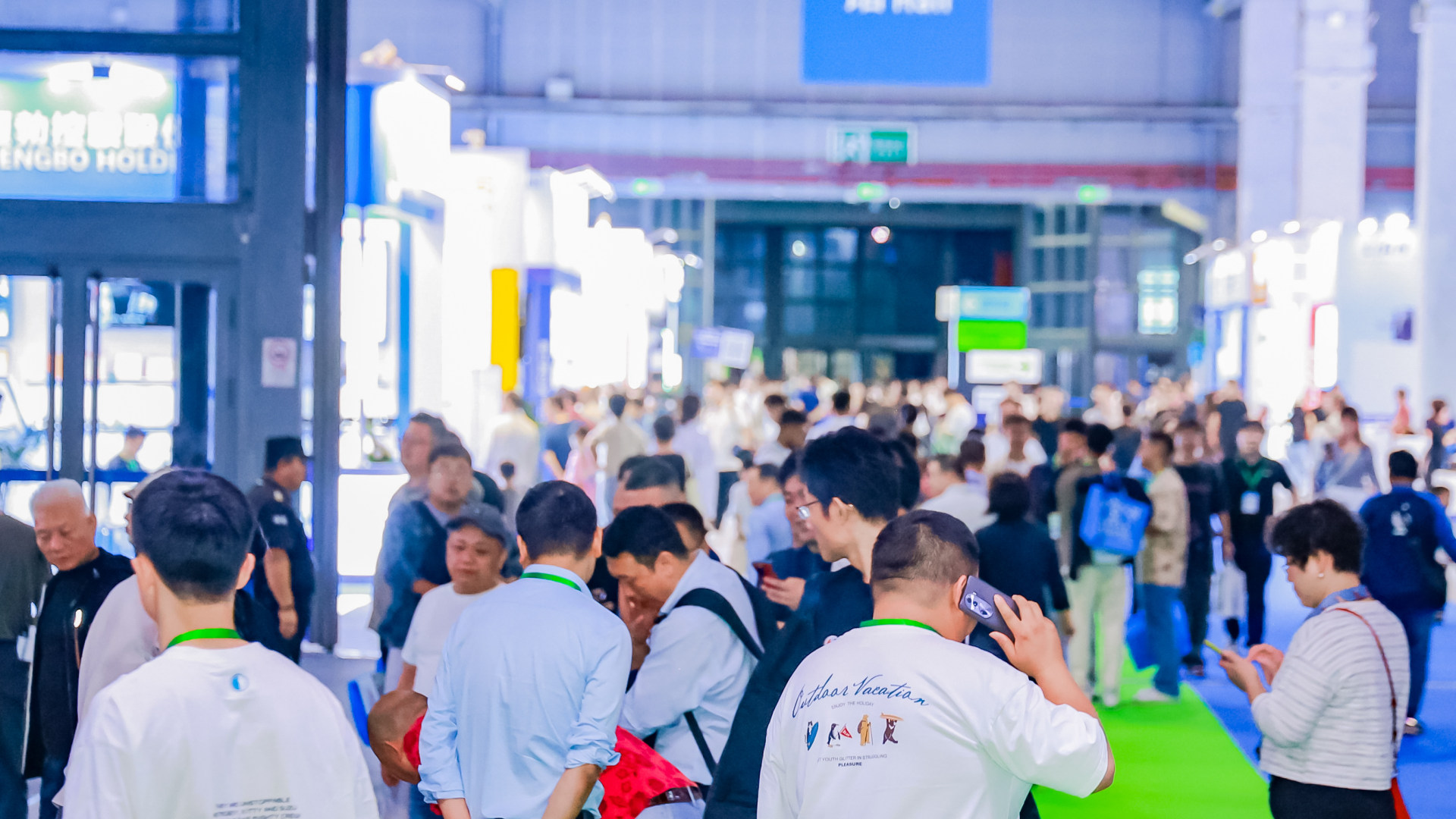
China Automotive Trade Fair 2026: Sourcing & Exhibiting Guide
Industry news
2026-06-01
For global automotive buyers and aftermarket distributors, China remains the most capable and cost-competitive parts supply base on the planet. Yet turning that potential into reliable orders means navigating a fragmented manufacturer landscape. China Automotive Trade Fair 2026, organized by APES Auto Parts Expo Shanghai, is designed to cut through that complexity. As an exhibition marketing strategist who has worked across dozens of industrial trade events in this sector, I see one truth: the shows that deliver real ROI are those that invest in structured matchmaking and cluster-specific sourcing. APES 2026 brings together over 3,500 exhibitors from key manufacturing zones and buyers from more than 100 countries, offering a direct, intermediary-free path from factory floor to global market.
Why China Automotive Trade Fair 2026 Matters for Global Buyers
The traditional trade show model too often leaves buyers wandering aisles hoping to stumble onto the right supplier. China Automotive Trade Fair 2026 is built differently. It pulls critical automotive manufacturing clusters into a single venue while layering digital tools that already connect visitors with matching exhibitors before they set foot in Shanghai.
This matters because the global aftermarket and OEM procurement cycles have tightened. Lead times and landed costs now determine competitiveness. Sourcing directly from the factory in one trip, rather than through multiple intermediaries, compresses months into days. The show’s structure targets precisely that outcome.
Direct Factory Access Without Intermediaries
Most international buyers encounter Chinese auto parts through trading companies. That adds margin, slows communication, and often masks the true manufacturing capability behind a brand. At APES, the exhibitor list tilts heavily toward actual manufacturers. Yuhuan chassis parts specialists, Ruian brake system producers, Wenzhou automotive electronics engineers — these companies send engineering and export teams, not sales agents. Walking into a booth means talking to the person who runs the production line, not an interpreter describing a catalog.
For a procurement director sourcing control arms or ABS sensors, that direct connection cuts through the noise. Questions about material specs, certification status, and order customization get answered in real time. The difference between a trading company quote and a factory-direct conversation is not just price; it is lead time predictability and after-sales accountability.
Volume of Global Buyer Attendance and Supplier Quality
Scale matters in auto parts sourcing. APES 2026 expects over 35,000 trade visitors from more than 100 countries, with particular strength in Middle Eastern, Southeast Asian, and Latin American buyer delegations. This level of attendance signals supplier quality: manufacturers do not invest in booth builds and travel unless they are serious about export business. The exhibitor vetting process emphasizes valid export licenses, certification portfolios, and a track record of container-level fulfillment.
APES Ecosystem: Connecting Industrial Clusters with International Demand
Behind the booth signage is an infrastructure that most visitors never see. APES operates far more than a three-day event. The “Internet + Exhibition” backbone means pre-show business matching runs for weeks, feeding qualified buyer profiles to exhibitors and vice versa. When I first observed this model being applied to automotive verticals, the difference in exhibitor satisfaction scores was immediate — companies that had done digital matchmaking came to the show with appointment calendars already full.
The Role of Digital Matchmaking
A buyer searching for LED headlight manufacturers from Changzhou or commercial vehicle brake parts from Shiyan does not have to wait until July 2026 to start conversations. The APES platform enables product filtering, BoM uploads, and targeted meeting requests months ahead. For exhibitors, this transforms the show from a lead lottery into a scheduled business trip. The data layer supports everything from sample shipment logistics to post-show order tracking, making the trade fair a persistent sourcing tool rather than a one-off event.
Key Automotive Parts Clusters Represented
China’s auto parts manufacturing is not scattered at random. It concentrates in defined clusters that have built deep process specialization over decades. The Zhejiang corridor alone houses several of these ecosystems, and they are all strongly represented at APES.
Cluster Region
Major Specialties
Why It Matters for Buyers
Yuhuan, Zhejiang
Chassis systems, control arms, ball joints
High export maturity, ISO/TS standards widely adopted
Ruian, Zhejiang
Brake pads, brake discs, brake calipers
Competitive pricing with consistent metallurgical quality
Wenzhou, Zhejiang
Automotive electronics, sensors, switches
Rapid product iteration, EV component crossover
Changzhou, Jiangsu
Headlights, taillights, LED modules
Integrated design and ECE/DOT certification capability
Qinghe, Hebei
Filters (oil, air, fuel, cabin)
Massive production scale, strong aftermarket focus
Supply base for Dongfeng and domestic commercial OEMs
Understanding this geography helps buyers plan their booth routes. Instead of comparing suppliers randomly, they can walk a cluster logically, benchmarking output capability within a single building.
How to Exhibit at the 2026 China Automotive Trade Fair
Exhibiting at a major Chinese auto parts show is a serious commitment. The companies that see the strongest returns treat their booth not as a storefront but as a business development hub. The exhibition offers two primary space formats.
Booth Type
Typical Size
What It Includes
Best For
Shell Scheme
9 m² (3×3)
Walls, fascia name, carpet, basic lighting, one power socket
First-time exhibitors testing market response
Raw Space
36 m² minimum
Unfurnished floor area only
Experienced exporters with custom booth design
Beyond the square meters, the cost conversation extends to logistics, sample transport, interpreter hire, and promotional material. Our team recommends budgeting roughly equal amounts for space rental and for the surrounding soft infrastructure. Exhibitors who invest in pre-show buyer outreach, multilingual product data sheets, and a dedicated export inquiry tablet at the booth consistently generate higher lead counts than those who rely on walk-by traffic.
If your program involves specialized categories like EV powertrain components or IATF 16949-certified assemblies, it is worth confirming global buyer interest in those exact part numbers before committing to booth size. Reach out at apeschina@huamogroup.com for a pre-exhibitor consultation that matches your product lines with expected buyer demand.
Preparing Your Exhibit for Maximum Impact
Buyers at APES attend with specific part numbers and quantities in mind. A booth cluttered with every product the factory makes signals commodity production. A booth organized by application segment (passenger car, commercial vehicle, NEV) and accompanied by engineering cutaways, test reports, and certification binders tells a different story. It says: “We understand your quality and compliance requirements.” I have seen exporters who brought fatigue test data for suspension components close deals within the first afternoon simply because that depth of information eliminated the usual post-show verification delay.
Sourcing Strategies for Buyers at the Show
Buyers who treat the China Automotive Trade Fair as a reactive walk-through miss most of its value. The sourcing process should start weeks before departure.
Pre-show Research and Appointment Setting
The APES buyer dashboard allows you to upload bills of materials, filter exhibitors by certification (IATF 16949, ISO 9001), and request meetings with factory export managers. Send your part specifications and annual volume requirements in advance. Suppliers who see a concrete inquiry with quantities respond with prepared technical answers, not generic brochures. This pre-qualification step alone can eliminate 80% of the booths that would otherwise waste your time.
Evaluating Suppliers On-site and Beyond
When you sit down at a booth, go beyond the price list. Ask about their export certification renewal cycles, their minimum order quantities and how those flex with repeat orders, and their typical lead time consistency over the past 12 shipping cycles. A factory that can show you a steady production schedule and a handful of recent container-level export documents is far more valuable than one that quotes the lowest unit price but cannot demonstrate logistics reliability. Also, note whether the person you are speaking with can answer engineering questions without deferring to an unseen back office. That signals whether communication speed will hold up after the show.
Maximizing ROI at APES 2026
The true measure of a trade show is not how many business cards you collect but how many qualified supplier relationships survive the first year.
Leveraging Post-show Data and Follow-up
Every buyer profile, meeting note, and product match sits in the APES digital ecosystem. Use it. Within 48 hours after the show, send a follow-up with specific reference to the discussion, confirm the next sample shipment date, and lock in a factory audit if one is needed. The months between a handshake and a first purchase order determine whether momentum survives. Our data from past editions shows that buyers who complete structured follow-ups within one week close supplier agreements at nearly twice the rate of those who postpone.
APES 2026 presents a sourcing opportunity that extends beyond the exhibition hall. The platform’s year-round visibility tools mean you can continue to benchmark new suppliers and revisit product matches even after the Shanghai event wraps. For procurement teams managing complex multi-line parts categories, this persistent visibility into China’s automotive supply base solves one of the hardest problems in global sourcing: keeping a live picture of manufacturing capability as factories upgrade equipment and add certifications.
If you are preparing a sourcing plan that spans chassis, electrical, and powertrain categories and want to ensure your supplier benchmarks include the latest cluster capabilities, send your requirements to apeschina@huamogroup.com or call +021-60280788. Our team will provide a tailored exhibitor map based on your part list so you walk the show with an appointment schedule, not a vague floor plan.
Common Questions About China Automotive Trade Fair 2026
What is APES Auto Parts Expo Shanghai?
APES is a dedicated B2B automotive parts trade fair organized under the “Internet + Exhibition” model. Unlike broad industrial expos, it focuses exclusively on the automotive supply chain, from engine components and chassis systems to NEV parts and electronics. The exhibition connects verified Chinese manufacturers with international buyers, incorporating digital matchmaking tools that operate before, during, and after the in-person event.
How does APES differ from other auto parts shows in China?
Most Chinese auto parts exhibitions aggregate suppliers without a strong pre-qualification layer. APES invests heavily in exhibitor vetting and a digital platform that matches buyer part numbers with appropriate factories before the show floor opens. Additionally, APES organizes pavilions by manufacturing cluster rather than by product category in isolation, which helps buyers compare regional specialization and process capability in a single visit.
Can I really meet factory decision-makers, not just sales agents?
Yes. The participating exhibitors are predominantly manufacturers, not trading companies. The clusters represented (Yuhuan, Ruian, Wenzhou, Changzhou, Shiyan, and others) send export managers and often factory owners directly. The pre-show matchmaking further ensures that the person holding technical responsibility sits across the table. This direct access is one of the strongest differentiators of the APES model.
Is a visa difficult to obtain for the exhibition?
APES issues official invitation letters to approved exhibitors and registered buyers, which serves as supporting documentation for a Chinese business visa (M). The process is straightforward if applied for at least 30 days before the show. Our international visitor support team can guide you through the documentation requirements — share your travel timeline and we will confirm the invitation letter issuance schedule.
What is the best way to prepare for my first visit?
Start by uploading your product categories and target part numbers to the APES buyer platform. Filter exhibitors by certification, location, and export experience. Book meetings with at least six to eight suppliers and prepare a standardized evaluation checklist (certifications, MOQs, lead times, sample policy). Arrive with a clear sourcing brief; leave with factory contacts you can act on immediately. If you need help structuring that brief to align with this year’s exhibitor base, send your part list to apeschina@huamogroup.com and we will help map it to the right manufacturers.
If you’re interested, check out these related articles: