Exhibiting at APES Auto Parts Expo Shanghai 2026: A Supplier Guide
Industry news
2026-05-31
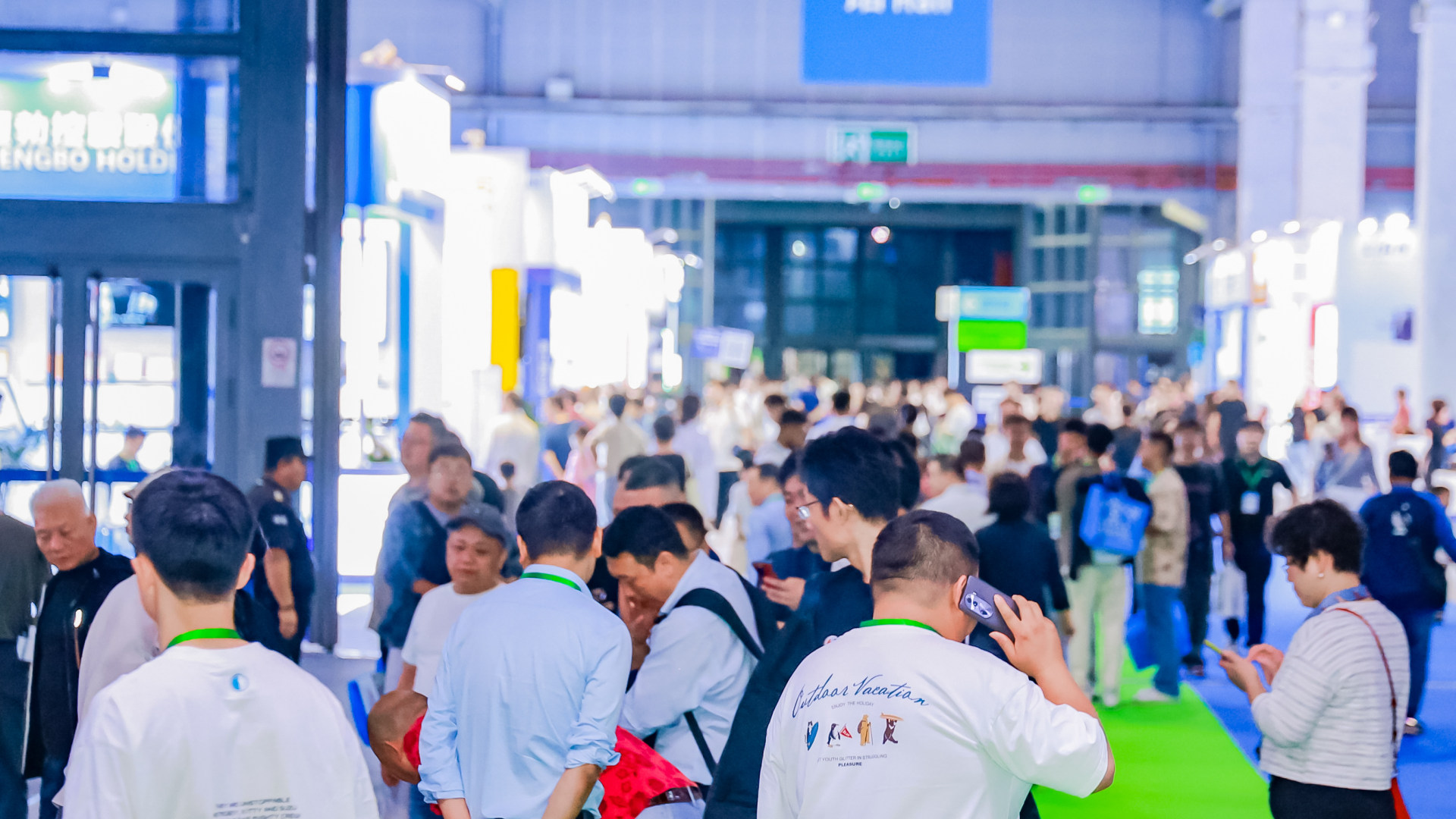
The decision to exhibit at a trade show comes down to one calculation: can I meet enough of the right buyers in three days to justify the investment. After a decade of organizing and marketing China-based automotive events, I have seen that APES Auto Parts Expo Shanghai 2026 clears that bar for suppliers who prepare correctly. The expo convenes over 35,000 professional buyers from more than 100 countries, ranging from regional distributors to OEM procurement teams, all under a single exhibition structure that compresses months of sales travel into a few structured days. For manufacturers of engine components, chassis parts, brake systems, auto electronics, body panels, filters, or NEV subsystems, this event puts your products in front of sourcing professionals who arrive with concrete project lists, not just curiosity.
Why Buyer Quality Makes APES 2026 Different
Exhibition data from previous editions shows that approximately 60% of APES attendees hold purchasing authority, and roughly 40% come from markets with active aftermarket demand — Southeast Asia, the Middle East, South America, and Eastern Europe. These are not tire-kickers. A typical buyer visit involves comparing three to five suppliers in a single product category, checking certifications like IATF 16949, and collecting documentation for sourcing shortlists. At the 2025 edition, feedback we collected from exhibitors indicated that over half received at least one firm RFQ within two weeks of the fair. Whether you are a filter manufacturer from Qinghe or a brake pad supplier from Ruian, the booth becomes a live sourcing interview.
China’s Auto Parts Clusters and What They Mean for Exhibitors
APES 2026 is not a general automotive trade show. It is structured around China’s actual manufacturing geography. Yuhuan chassis manufacturers exhibit alongside Wenzhou electronics specialists and Changzhou lighting producers, creating a zone layout that mirrors the industrial clusters buyers already read about in trade directories. For an overseas buyer, this means instead of flying between provinces, they can compare ten suspension part producers in a single afternoon, ask about tooling lead times directly, and gauge production scale by speaking with factory representatives who often are the same people managing export orders. For suppliers, this clustering concentrates decision-ready traffic at your booth, but it also puts direct competitors in sight — so your sample quality, English technical documentation, and pricing clarity become the differentiators.
Booth Selection and Cost Structure
Booth Type
Typical Size
Inclusions
Suitable For
Shell Scheme
9 sqm–36 sqm
Walls, fascia, carpet, basic lighting, one table, two chairs, power socket
First-time exhibitors, small-component display
Raw Space
36 sqm and above
Floor area only; exhibitor builds custom stand
Branded pavilions, live demonstrations, large machinery
Premium Raw Space
50 sqm+ in prime hall locations
Raw space with higher buyer traffic positioning
Established exporters, multiple product lines
Booth pricing in Shanghai for this sector typically ranges between USD 380 and USD 550 per square meter for raw space, depending on position and hall. Shell scheme packages run slightly higher per square meter once build costs are included. The cost you should model is not the booth fee alone — freight forwarding, sample shipping, interpreter services, and hotel for staff add another 30 to 50 percent on top. I advise suppliers to budget a minimum of USD 8,000 to USD 12,000 all-in for a 9 sqm shell scheme at a major Shanghai exhibition like APES.
(If your product category involves certification documentation or complex technical specs, getting your booth literature right before the show can make the difference between a collected business card and a follow-up meeting. Many exhibitors find that a pre-show checklist review with our team surfaces gaps they hadn’t considered. You can reach our exhibitor support at apeschina@huamogroup.com or call +021-60280788 to discuss your booth setup before registration closes.)
Buyer Demographics and How to Engage Them During the Show
Understanding who walks the aisles shapes everything from your sample selection to the language on your pull-up banner. At APES, the buyer profile breaks into four major streams: independent aftermarket distributors from the Middle East and South America, OEM tier-2 sourcing teams from India and Southeast Asia, Eastern European rebuilders and remanufacturers, and a growing segment of EV conversion specialists from multiple regions. Each group evaluates suppliers differently.
Distributors care about packaging, private labeling readiness, and minimum order quantity flexibility. OEM sourcing engineers want to see full material certifications, PPAP documentation, and production traceability. EV conversion buyers are hunting for thermal management modules, high-voltage connectors, and motor shafts that are often not yet standardized. Position your booth visuals, product samples, and technical leaflets to match the two dominant buyer types you can best serve — trying to appeal to all four usually means appealing to none strongly enough to be remembered.
I have observed a pattern worth noting: suppliers who bring at least one physical dissected sample or cutaway model alongside their catalog capture roughly twice the dwell time at their booth compared to those with catalogs alone. Buyers want to touch the oil passage finish on a cylinder head or bend a CV joint boot, even if the final order will be container quantities. The trade show floor is a tactile environment; use it.
Pre-Show Preparation, Visa, and Logistics Timeline
Exhibiting in Shanghai requires more than booking a booth. The practical sequence, drawn from supporting hundreds of international exhibitors, looks like this:
6 months before: Confirm booth selection, sign contract, begin visa invitation letter processing. Most first-time exhibitors underestimate Chinese visa lead times; rush processing is expensive and stressful. APES provides official invitation letters to support business visa applications for registered exhibitors.
4 months before: Finalize freight forwarder, book hotel blocks near NECC (National Exhibition and Convention Center), and start preparing English-language product documentation — including spec sheets, FOB pricing, and MOQ lists.
2 months before: Ship exhibition samples, finalize booth design and graphics, train booth staff on buyer qualification scripts and pricing authority limits.
2 weeks before: Confirm interpreter bookings, print backup documentation, pre-schedule meetings with known buyers through the expo’s matchmaking system, and upload your company profile to the digital exhibitor directory.
Post-show: Within 72 hours of closing, send personalized follow-ups to every qualified lead with the specific product discussed and a next step — typically a sample request, a video factory tour link, or an offer to quote against a reference specification.
If logistics planning feels overwhelming, our operations team can walk you through each stage. Email apeschina@huamogroup.com with your company profile and booth size preference to get a tailored exhibitor readiness timeline.
Common Questions About Exhibiting at APES 2026
Is it worth exhibiting if I already list on Alibaba and attend Automechanika?
Online platforms and offline exhibitions serve different trust-building functions. On Alibaba, buyers compare hundreds of listings with limited ability to verify production quality. At APES, they inspect samples, discuss tooling modifications directly, and gauge your team’s technical competence in real time. Many buyers use Alibaba for initial discovery and then come to Shanghai to shortlist suppliers they met online. If your export business depends on repeat, high-value orders rather than one-off transactions, the exhibition floor builds the supplier confidence that screens cannot.
How do I compare suppliers at the show if I’m a buyer?
Walking the expo with a structured comparison sheet helps cut through booth-to-booth confusion. For each supplier, note: certifications held (ISO 9001 vs. IATF 16949 is a meaningful distinction), lead time quoted for a reference order, willingness to share a production audit report, and whether the person in the booth can answer technical questions or only sales scripts. If you ask for a specific tolerance on a machined part and get a blank stare, move on — there are competent alternatives one aisle over.
What NEV parts can I realistically source at this show?
The NEV components zone at APES 2026 has expanded year over year, covering high-voltage wiring harnesses, charging gun assemblies, battery structural components, thermal management modules, and electric motor shafts. Chinese suppliers in these categories are advancing quickly in both quality and certification. However, I recommend buyers bring functional requirements and target specifications rather than simply asking “what do you have” — the suppliers who respond usefully are the ones who can map their capabilities to a defined scope.
Do I need an agency to book a booth, or can I register directly?
Registration directly through the APES organizer avoids agency markups and ensures your booth application is processed with accurate information. Many overseas exhibitors are accustomed to working through intermediaries, but for APES, the direct route is efficient. Contact apeschina@huamogroup.com to request a floor plan and the current exhibitor package. If your company is based in a country with particular visa or payment requirements, mention them in the initial email so we can advise on the right documentation path before you commit.
If you’re interested, check out these related articles: